Gordon Willis
Biography
From Wikipedia, the free encyclopedia Gordon Hugh Willis, Jr., ASC (May 28, 1931 – May 18, 2014) was an American cinematographer. He is best known for his work on Francis Ford Coppola's The Godfather series as well as Woody Allen's Annie Hall and Manhattan. Fellow cinematographer William Fraker called Willis's work a "milestone in visual storytelling", while one critic suggested that Willis "defined the cinematic look of the 1970s: sophisticated compositions in which bolts of light and black put the decade's moral ambiguities into stark relief". When the International Cinematographers Guild conducted a survey in 2003, they placed Willis among the ten most influential cinematographers in history.
Known For
Easy Riders, Raging Bulls: How the Sex 'n' Drugs 'n' Rock 'n' Roll Generation Saved Hollywood

Woody Allen: A Documentary
Fog City Mavericks
Visions of Light

To Woody Allen from Europe with Love
To Woody Allen from Europe with Love
Telling the Truth About Lies: The Making of "All the President's Men"
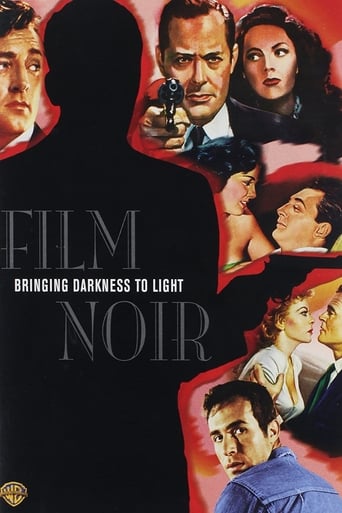
Film Noir: Bringing Darkness to Light
All Movies (11)
- An Amazing Time: A Conversation About End of the Road2012 · as Self
- Woody Allen: A Documentary2011 · as Self
- Emulsional Rescue: Revealing 'The Godfather'2008 · as Self
- Fog City Mavericks2007 · as Self
- Film Noir: Bringing Darkness to Light2006 · as Self
- Telling the Truth About Lies: The Making of "All the President's Men"2006 · as Self
- Easy Riders, Raging Bulls: How the Sex 'n' Drugs 'n' Rock 'n' Roll Generation Saved Hollywood2003 · as Self
- Visions of Light1992 · as Self
- To Woody Allen from Europe with Love1980 · as Himself
- To Woody Allen from Europe with Love1980 · as Self
- 'Klute' in New York1971 · as Self